



Article: The Africa We Know

The Africa We Know
There is an Africa the world rarely sees. And for those of us who grew up in it, there is a story we have carried quietly for far too long.
For decades, the world saw Africa through a narrow lens: hungry children, struggling villages, and a continent waiting to be rescued. Those stories reflected real suffering, but never the whole picture.
I grew up in that other Africa.
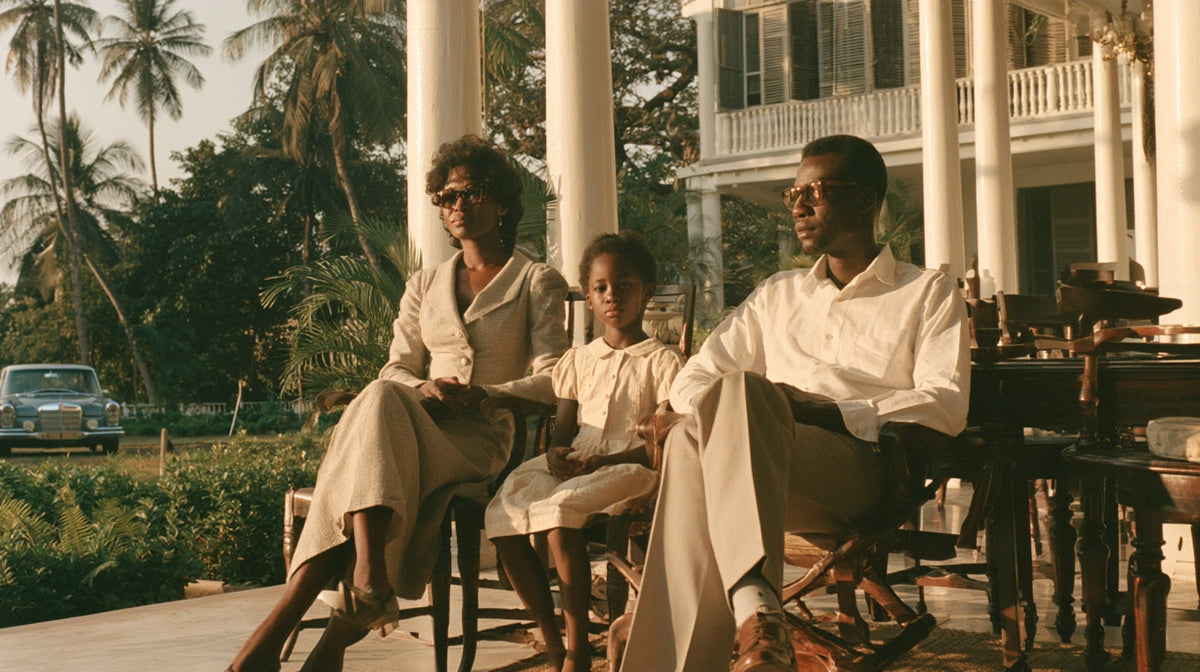
An Africa of beautiful homes, family drivers, household cooks, private tutors, piano lessons, tennis, Sunday lunches, elegant parties, and racecourse outings. My mother made beautiful dresses, including for prominent people.
There was music, laughter, ambition, etiquette, tradition, and an understanding that presentation mattered.
We didn't call it luxury.
It was simply the life we knew.

Yet beyond Africa, we were reduced to one word: African and all the assumptions that came with it.
How do you explain that the home you left behind was larger than the apartment you now live in? That you grew up with a driver but now stand at a freezing bus stop? That the person working behind a fast-food counter once took tennis and piano lessons?
And perhaps the hardest question:
Why did you leave?
For many of us, the answer is complicated. Education abroad carried enormous prestige. Britain and America represented opportunity and success. Perhaps that was one legacy of colonialism: learning to admire what lay beyond our borders without fully appreciating what we already had.
So we left.
Then reality introduced itself. Degrees were expensive, rent was due, and family names meant little. Some of us worked in restaurants, cleaned offices, stocked shelves, drove taxis, or took whatever honest work was available.
There is no shame in that work. But starting over in a place where nobody knows who you were can be deeply disorienting.
You don't just migrate to another country. Sometimes, you migrate into an entirely different social identity.

So you become quiet. You stop explaining the house, the holidays, the tennis clubs, the family gatherings, and the life you left behind not because you are ashamed, but because you grow tired of watching people struggle to believe it.
Still, home remains: Sunday afternoons, piano music, beautifully dressed aunties, your mother preparing for an occasion, your uncle heading to the racecourse, and a life rich in ways that had nothing to do with money.
With age, we begin to recognize the beauty we once took for granted: the traditions, confidence, belonging, community, and culture that shaped us.
I know the Africa I grew up in was not everyone's Africa. Privilege was never evenly shared. But acknowledging one experience should not erase another.
Africa has never been a single story.
Some families struggled, and families prospered; villages and cities; modest homes and grand houses; hardship and celebration.
The problem was never that Africa had poverty. It was that poverty became the only Africa much of the world was willing to see.
Today, after years in fashion, I return to those memories: the way we dressed, celebrated, gathered, and carried ourselves. That world has rarely been reflected in fashion.
That is part of what inspires AFRITUDE Country Club.
It is not an attempt to make Africans appear sophisticated.
We were never waiting for permission to be sophisticated.
It is an invitation into a world I have always known: one of heritage, family, sport, style, friendship, and belonging.
For the first-generation African who has navigated two worlds, perhaps you remember the house, the Sunday lunches, the lessons, the parties, and the people.
Perhaps you remember who you were before the world told you who it thought you were.
It is time we told the fuller story.
Not to prove anything to the world, but so that we never forget it ourselves.
Nina Djamson
Founder, AFRITUDE

Ecrit par Nina Djamson